
Mastering the Craft: The Art of Japanese High-Tensile Stainless Steel Wire Drawing
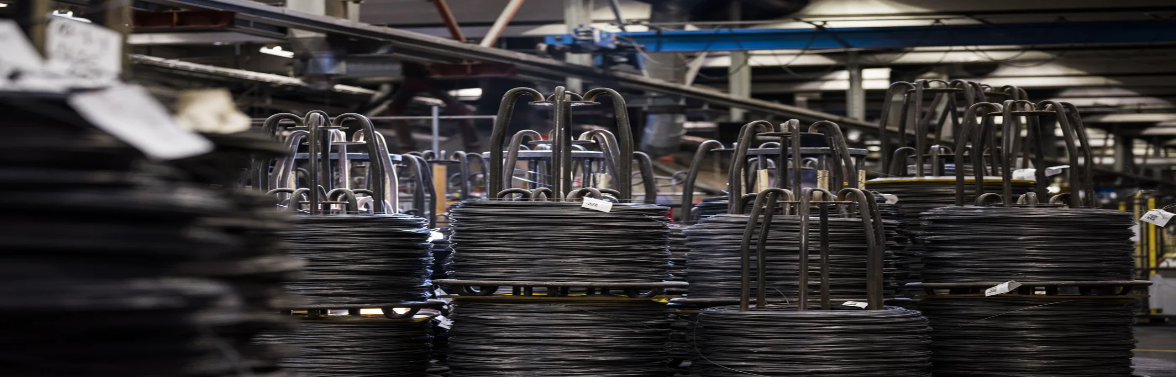
Japan is renowned for its mastery in precision engineering, and this expertise extends to the production of high-tensile stainless steel wire. Through a meticulous process known as wire drawing, Japanese manufacturers have perfected the creation of stainless steel wire that is not only incredibly strong but also highly resilient and precise. In this blog, we’ll explore the intricate process of Japanese high-tensile stainless steel wire drawing, its applications, and why it’s regarded as some of the best in the world.
What is High-Tensile Stainless Steel Wire Drawing?
Wire drawing is a metalworking process used to reduce the diameter of a wire by pulling it through a series of dies, each smaller than the previous one. High-tensile wire drawing refers specifically to the production of wire with exceptional strength, capable of withstanding significant stress and load without breaking. Stainless steel is a favored material for this process due to its corrosion resistance, durability, and versatility.
The Japanese Approach to Wire Drawing
The Japanese approach to high-tensile stainless steel wire drawing is characterized by precision, innovation, and a commitment to quality. Here's how Japanese manufacturers achieve their world-renowned standards:- Material Selection : The process begins with selecting the highest-quality stainless steel. Japanese manufacturers are known for their stringent material standards, ensuring that only the finest steel, with the correct alloy composition, is used.
- Precision Machinery : Japan's advancements in machinery play a significant role in the wire drawing process. The use of ultra-precise dies, often crafted with nanometer-level accuracy, allows for consistent wire thickness and minimal imperfections.
- Lubrication and Cooling : Proper lubrication and cooling are critical during the drawing process to reduce friction, prevent wire breakage, and maintain the integrity of the stainless steel. Japanese manufacturers have developed advanced lubrication techniques that enhance the drawing process and extend the life of the dies.
- Multiple Drawing Stages : The wire undergoes multiple stages of drawing, with each pass through the die further reducing its diameter while increasing its tensile strength. Japanese manufacturers often use up to 20 or more stages, depending on the desired final product, ensuring exceptional uniformity and strength.
- Annealing Process : To relieve the stresses induced during the drawing process, the wire is often annealed—heated and then slowly cooled. This process increases the ductility of the wire while maintaining its high tensile strength. Japanese methods of annealing are highly controlled to achieve the perfect balance between strength and flexibility.
- Surface Treatment : The final step in the process involves treating the wire’s surface to enhance its corrosion resistance and finish. Japanese manufacturers excel in this aspect, producing stainless steel wire with a smooth, clean surface that meets the highest standards of durability and appearance.
Applications of Japanese High-Tensile Stainless Steel Wire
The superior quality of Japanese high-tensile stainless steel wire makes it suitable for a wide range of applications, including:- Automotive Industry : Used in components such as springs, cables, and fasteners, where strength and reliability are paramount.
- Construction : Ideal for reinforcement in concrete structures, suspension bridges, and other critical infrastructure that requires durable and resilient materials.
- Medical Devices : The precision and cleanliness of Japanese stainless steel wire make it perfect for surgical instruments, implants, and other medical applications where biocompatibility and strength are crucial.
- Aerospace : In the aerospace industry, high-tensile stainless steel wire is used in safety-critical components, such as control cables and fasteners, that must withstand extreme conditions.
- Electronics : The miniaturization of electronic devices requires fine, high-tensile wire for components like springs and connectors, where precision is essential.
Why Choose Japanese High-Tensile Stainless Steel Wire?
- Unmatched Precision : Japanese wire drawing techniques produce wire with exceptional uniformity and precision, ensuring consistent performance across all applications.
- Superior Strength : The multiple drawing stages and careful annealing process result in wire that offers unparalleled tensile strength and durability.
- Corrosion Resistance : Thanks to meticulous surface treatment processes, Japanese stainless steel wire boasts excellent resistance to corrosion, making it ideal for use in harsh environments.
- Innovation and Quality Control : Japan’s commitment to continuous improvement and stringent quality control ensures that each batch of wire meets the highest international standards.
- Environmental Responsibility : Japanese manufacturers are also known for their environmentally friendly practices, minimizing waste and optimizing energy efficiency throughout the production process.
Conclusion
Japanese high-tensile stainless steel wire drawing is a testament to the country’s dedication to excellence in manufacturing. The combination of cutting-edge technology, rigorous quality control, and an unwavering commitment to precision has made Japan a leader in this specialized field. Whether you're in the automotive, aerospace, construction, or medical industry, choosing Japanese high-tensile stainless steel wire means choosing reliability, durability, and superior performance. If you’re in need of high-tensile stainless steel wire that meets the most demanding standards, consider sourcing from Japan’s leading manufacturers.
Contact Proweave today to learn more about our range of Japanese stainless steel wire products and how they can enhance your projects.

Enhancing Durability and esthetics: The Benefits of Stainless Steel Powder Coating
Stainless steel is renowned for its strength, corrosion resistance, and sleek appearance. How...
The Art and Science of Stainless Steel Wire Weaving: A Comprehensive Guide
Stainless steel wire weaving is a fascinating process that blends the precision of engineering with...