
The Art and Science of Stainless Steel Wire Weaving : A Comprehensive Guide
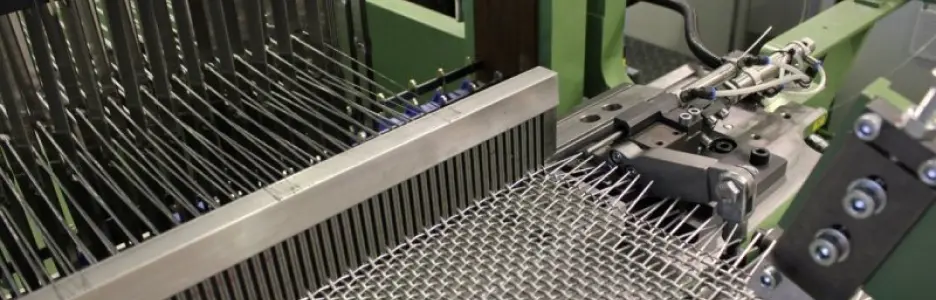
Stainless steel wire weaving is a fascinating process that blends the precision of engineering with the artistry of craftsmanship. From intricate industrial applications to decorative architectural designs, stainless steel wire weaving plays a vital role in various industries. In this blog, we'll delve into the history, process, applications, and benefits of stainless steel wire weaving, shedding light on why it's a preferred choice in many fields.
A Brief History of Wire Weaving
The origins of wire weaving date back to ancient times when metals were first manipulated into fine threads for practical and decorative purposes. Over centuries, the process has evolved from simple hand-weaving techniques to complex, automated machinery capable of producing high-precision wire mesh. Stainless steel, known for its strength and resistance to corrosion, became a popular material for wire weaving in the 20th century, particularly as industrial needs grew more demanding.
The Weaving Process: How It's Done
Stainless steel wire weaving involves interlacing wires at right angles to create a mesh. This process can be done using various weaving patterns depending on the application. Here’s a breakdown of the most common weaving patterns:- Plain Weave : The most basic and commonly used weave. Each wire alternates over and under the adjacent wire, creating a simple, tight mesh that is strong and stable.
- Twill Weave : In this pattern, each wire passes over and under two or more wires, creating a diagonal pattern. Twill weave is more flexible and allows for a denser mesh compared to plain weave.
- Dutch Weave : Involves using thicker warp wires and thinner weft wires, resulting in a very tight mesh. This type of weave is ideal for filtration applications where precision is crucial.
- Reverse Dutch Weave : Similar to Dutch weave but with the thicker wires in the weft and thinner wires in the warp, offering even finer filtration capabilities.
- Crimped Weave : Wires are pre-crimped before weaving, creating a more rigid and stable mesh. This pattern is often used in applications where the mesh needs to maintain its shape under pressure.
Applications of Stainless Steel Wire Mesh
Stainless steel wire mesh is incredibly versatile and used in a wide range of industries:- Filtration : Stainless steel wire mesh is widely used in industrial filtration systems, including water treatment, oil and gas processing, and chemical filtration, due to its durability and resistance to corrosion.
- Construction and Architecture : Architects and designers use stainless steel mesh for building facades, safety barriers, security screen and decorative elements. Its sleek appearance and strength make it ideal for both esthetic and functional purposes.
- Automotive Industry : Wire mesh is used in automotive applications for filtration systems, heat shields, and protective grilles due to its ability to withstand high temperatures and corrosive environments.
- Food and Beverage : In the food industry, stainless steel wire mesh is used in processing, screening, and drying equipment because it’s easy to clean and doesn’t contaminate the products.
- Aerospace : The aerospace industry relies on stainless steel wire mesh for various filtration and shielding applications, where material strength and resistance to extreme conditions are critical.
Benefits of Stainless Steel Wire Weaving
- Corrosion Resistance : Stainless steel is renowned for its resistance to rust and corrosion, making it suitable for harsh environments.
- Strength and Durability : The strength of stainless steel ensures that wire mesh products maintain their integrity even under significant stress or pressure.
- Precision and Customization : The weaving process allows for a high degree of precision, making it possible to create custom mesh designs tailored to specific applications.
- Low Maintenance : Stainless steel wire mesh is easy to clean and maintain, which is especially important in industries where hygiene is critical, like food processing or pharmaceuticals.
Conclusion
Stainless steel wire weaving is a testament to the power of combining traditional craftsmanship with modern technology. Its diverse applications, from industrial filtration to architectural design, highlight the material’s versatility and the intricate skill involved in its production. Whether you're looking for a functional industrial solution or an elegant architectural feature, stainless steel wire mesh offers a durable, reliable, and esthetically pleasing option. If you're interested in exploring stainless steel wire mesh for your next project, whether industrial or architectural, contact Proweave today.
We offer customized solutions to meet your specific needs, ensuring quality and precision in every weave.

Enhancing Durability and esthetics: The Benefits of Stainless Steel Powder Coating
Stainless steel is renowned for its strength, corrosion resistance, and sleek appearance. How...
Mastering the Craft: The Art of Japanese High-Tensile Stainless Steel Wire Drawing
Japan is renowned for its mastery in precision engineering, and this expertise extends to the production...